The Essential Need for a Walled Garden Communication Strategy in Small Businesses
Introduction
In the digital age, communication has become the cornerstone of customer relations for small businesses. As the landscape of email and SMS communications becomes increasingly cluttered and challenging to navigate, these businesses face a significant hurdle: ensuring their essential communications reach their clients effectively. This challenge is magnified when clients opt out of marketing communications, often inadvertently blocking crucial account-based notifications as well. This scenario underscores the importance of a 'walled garden' communication strategy, particularly in today's economy.
The Challenge of Digital Communication in Today's Market
Growing Difficulty in Reaching Customers
In the contemporary business environment, landing email and SMS communications with customers is becoming increasingly challenging. Factors like stringent email filters, rising competition for attention, and the sheer volume of digital messages contribute to this difficulty. This situation is particularly problematic for small businesses, where every customer interaction counts.
The Risk of Overlapping Communication Channels
Traditionally, many small businesses use a singular channel for all customer-facing communications. This approach, while seemingly efficient, often leads to several drawbacks. Crucial notifications may be lost amid marketing content, or worse, customers opting out of promotional messages might unintentionally block vital account-related information.
The Walled Garden Approach: A Solution
Understanding the Walled Garden Strategy
A 'walled garden' strategy in communication involves creating a distinct, controlled environment where important messages are delivered reliably. This approach separates essential communications like account notifications from marketing or promotional content. It ensures that critical messages are not subjected to the whims of customer preferences regarding marketing content.
Implementation in Small Businesses
For small businesses, adopting a walled garden strategy means reevaluating their communication channels. It involves segmenting messages into different categories and ensuring that vital information is not tangled with marketing or promotional content.
Case Study: Clicky's Approach
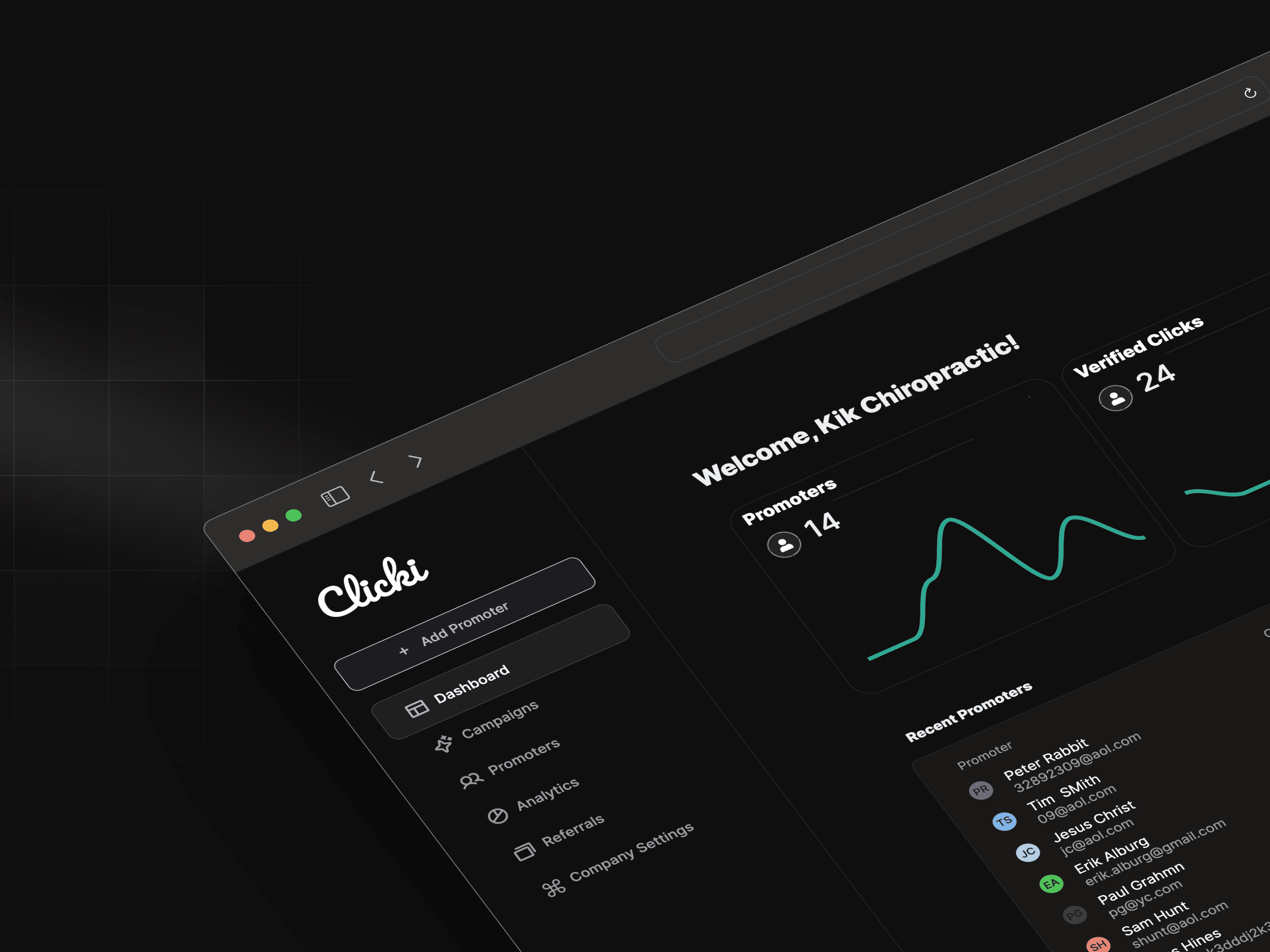
An exemplary implementation of this strategy is seen with Clicky, a referral software. Clicky manages SMS and email communications for its small business clients, ensuring that these messages are sent through the client's domain. This method significantly enhances the reliability of message delivery, even if customers opt out of marketing or referral-based notifications.
Benefits of a Walled Garden Strategy for Small Businesses
Ensured Delivery of Critical Communications
The primary benefit of a walled garden strategy is the assurance that important messages reach the customers. This reliability is vital for maintaining customer relationships and ensuring smooth business operations.
Enhanced Customer Experience
When customers receive only pertinent communications, it enhances their experience. It demonstrates respect for their preferences and reduces the likelihood of annoyance from unwanted messages.
Improved Message Targeting and Efficiency
Separating different types of communications allows small businesses to tailor their strategies for each. This targeted approach leads to more efficient and effective communication campaigns.
Implementing a Walled Garden Strategy
Assessing Current Communication Channels
The first step in adopting this strategy is a thorough assessment of existing communication channels. Businesses need to understand how their messages are currently being categorized and perceived by customers.
Developing a Segmented Communication Plan
Next, businesses should develop a plan to segregate essential communications from marketing content. This might involve setting up separate channels or ensuring different treatment for different types of messages.
Leveraging Technology and Partnerships
Small businesses can benefit from partnering with platforms like Clicki, which specialize in managing segmented communications. These partnerships can provide the necessary technological and strategic support.
Challenges and Considerations
Balancing Personalization and Privacy
While segmenting communications, it's important to balance personalization with privacy concerns. Businesses must ensure that their strategies comply with regulations like GDPR and respect customer privacy.
Technological Integration
Integrating a walled garden communication strategy requires careful technological planning. It involves not just software solutions but also ensuring compatibility with existing business systems.
Continuous Monitoring and Adaptation
Finally, this strategy requires ongoing monitoring and adaptation. As customer preferences and technological landscapes evolve, so must the communication strategies of small businesses.
Conclusion
In conclusion, a walled garden communication strategy is becoming increasingly essential for small businesses. By ensuring that vital communications reach customers reliably and efficiently, these businesses can enhance customer relationships and improve operational effectiveness. In an economy where digital communication faces numerous hurdles, this strategic approach stands as a beacon of clarity and effectiveness.